
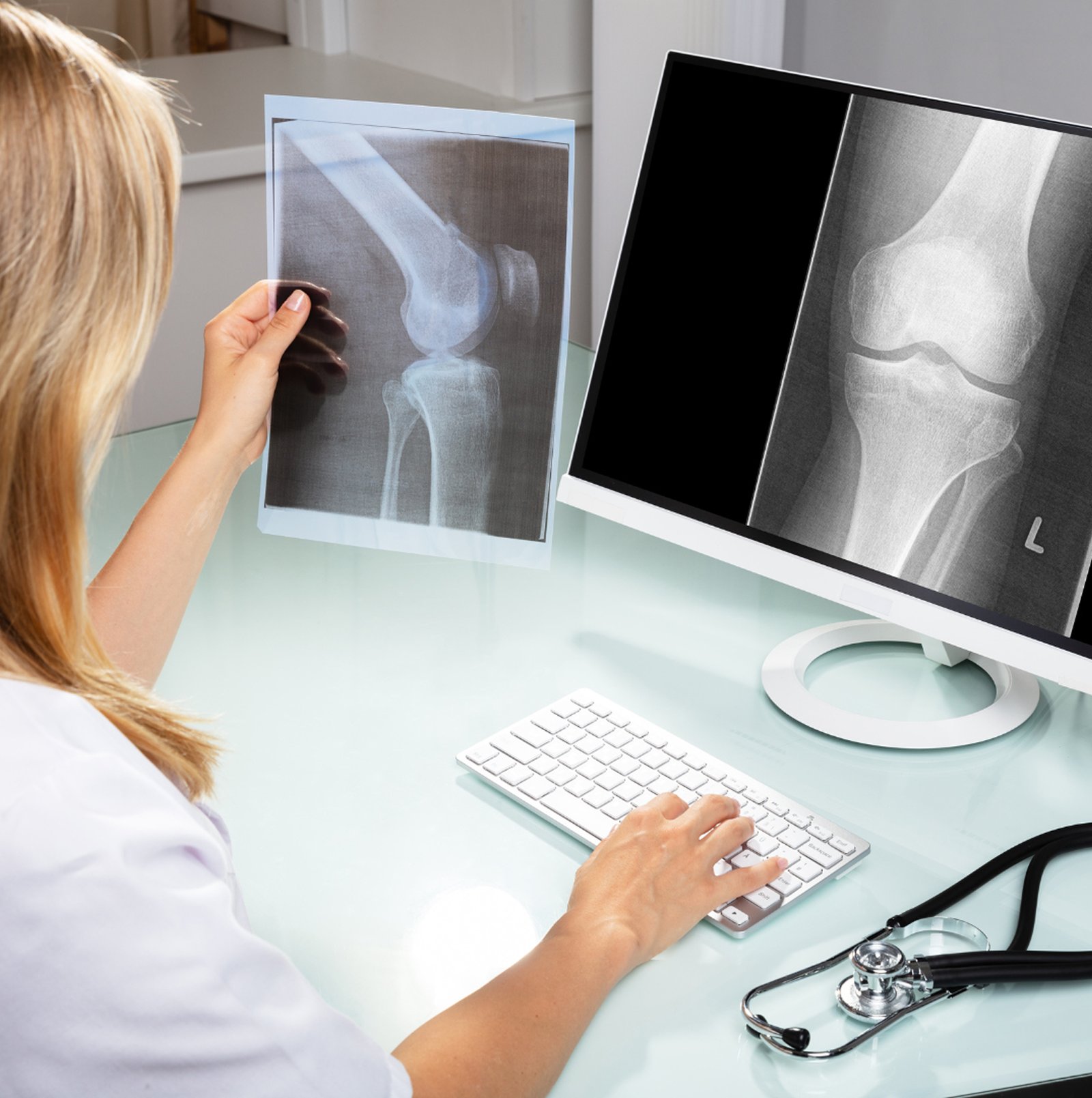
A torn knee ligament can be a painful and debilitating injury, affecting mobility and daily activities. Whether you’re an athlete, fitness enthusiast, or someone who suffered an accidental fall, understanding the causes, symptoms, treatment options, and recovery process is crucial.
What Are Knee Ligaments?
Knee ligaments are tough, fibrous tissues that connect the bones in your knee joint, providing stability and strength. The knee has four main ligaments:
- Anterior Cruciate Ligament (ACL) – Prevents excessive forward movement of the tibia (shin bone) and stabilizes rotational movement.
- Posterior Cruciate Ligament (PCL) – Controls backward motion of the tibia.
- Medial Collateral Ligament (MCL) – Provides inner knee stability.
- Lateral Collateral Ligament (LCL) – Supports the outer knee.
The medial and lateral collateral ligaments play crucial roles in stabilizing knee movement. The MCL is more frequently injured compared to the LCL, often due to its role in providing inner knee stability.
Tearing any of these ligaments can significantly impact knee function, leading to pain, swelling, and instability.
Types of Knee Ligament Injuries
Anterior Cruciate Ligament (ACL) Injuries
The anterior cruciate ligament (ACL) is one of the most commonly injured ligaments in the knee. ACL injuries often occur during activities that involve sudden stops, changes in direction, or direct blows to the knee. These injuries are particularly prevalent in high-impact sports such as football, basketball, and skiing. ACL injuries can be classified into three grades based on their severity:
- Grade 1:A mild sprain with minimal damage to the ligament. The ACL is stretched but not torn, and the knee remains stable.
- Grade 2: A moderate sprain with a partial tear of the ligament. This grade indicates that the ACL is partially torn, leading to some instability in the knee.
- Grade 3: A severe sprain with a complete tear of the ligament. The ACL is completely torn, resulting in significant instability and often requiring surgical intervention.
Other Knee Ligament Injuries
In addition to ACL injuries, other knee ligament injuries can occur, each affecting different parts of the knee joint:
- Posterior Cruciate Ligament (PCL) Injuries: The PCL is located at the back of the knee and helps control the backward motion of the tibia. PCL injuries often result from direct blows to the front of the knee or sudden stops, such as in car accidents or sports collisions.
- Medial Collateral Ligament (MCL) Injuries: The MCL is situated on the inner side of the knee and provides stability against forces pushing the knee inward. MCL injuries typically occur due to blows to the outer side of the knee or sudden twisting motions.
- Lateral Collateral Ligament (LCL) Injuries: The LCL is found on the outer side of the knee and helps stabilize the knee against forces pushing it outward. LCL injuries can result from blows to the inner side of the knee or sudden twisting motions.
Understanding the specific ligament injured and the severity of the injury is essential for determining the appropriate treatment and rehabilitation plan.
Causes of Torn Knee Ligaments
Torn knee ligaments are often caused by sudden movements or excessive strain on the joint. Common causes include:
- Sports Injuries: High-impact sports like football, basketball, and skiing often involve abrupt changes in direction, which can overstress ligaments.
- Accidents & Falls: A sudden twist, awkward landing, or direct hit to the knee can cause ligament tears.
- Overuse & Weak Muscles: Weak quadriceps and hamstrings increase the risk of knee injuries.
- Improper Footwear: Wearing non-supportive shoes while running or exercising can strain knee ligaments.
Knee ligament injury symptoms include pain, swelling, and instability. Healing time varies but can be lengthy, and prevention strategies include strengthening exercises and proper footwear. Diagnosing these injuries is crucial to avoid long-term consequences.
Symptoms of a Torn Knee Ligament
A torn knee ligament typically presents with the following symptoms:
- Severe pain at the time of injury
- Swelling and inflammation within a few hours
- Instability or feeling like the knee may buckle
- Limited range of motion
- Popping sound at the time of injury (especially in ACL tears)
- Bruising and tenderness
Knee injury, a common sporting injury, requires accurate diagnosis, appropriate treatment options, and a tailored rehabilitation program. Various types of knee injuries, notably ligament injuries, need both non-surgical and surgical treatment approaches to ensure recovery and stability.
If you experience these symptoms, it’s essential to seek medical attention promptly.
Diagnosis of Knee Ligament Tears
- Physical Examination – Testing knee stability, swelling, and range of motion.
- MRI Scans – Provides a detailed view of soft tissues, confirming ligament damage.
- X-Rays – Rule out fractures.
- Arthroscopy – A minimally invasive procedure using a small camera to assess knee structures.
Treatment Options for Torn Knee Ligaments
Treatment depends on the severity of the tear and your activity level.
Non-Surgical Treatments
For mild to moderate tears or individuals with lower activity demands, non-surgical treatments may be recommended:
- RICE Therapy (Rest, Ice, Compression, Elevation) to reduce swelling and pain.
- Physical Therapy to strengthen surrounding muscles and improve knee stability.
- Bracing to support the knee and prevent further injury.
- Pain Management with anti-inflammatory medications.
Surgical Treatments
Severe ligament tears, particularly ACL and PCL injuries, often require surgery:
- Ligament Reconstruction Surgery – Using grafts from tendons or cadaver tissue to rebuild the torn ligament.
- Arthroscopic Surgery – Minimally invasive procedure with quicker recovery times.
Home Remedies and Self-Care
While some knee ligament injuries require medical attention, mild injuries can often be managed with home remedies and self-care. Here are some effective strategies to help alleviate pain and promote healing:
- Rest: Give your knee a break by avoiding activities that aggravate the injury. Resting helps prevent further damage and allows the healing process to begin.
- Ice: Apply ice to the affected area for 20 minutes every 2-3 hours to reduce pain and inflammation. Ice therapy is most effective within the first 48 hours after the injury.
- Compression: Use a knee brace or compression bandage to provide support and stability to the injured knee. Compression helps reduce swelling and provides additional support during movement.
- Elevation: Elevate your knee above the level of your heart whenever possible to reduce swelling. This can be achieved by propping your leg up on pillows while resting.
- Pain Relief: Over-the-counter pain relievers such as ibuprofen or acetaminophen can help manage pain and reduce inflammation. Always follow the recommended dosage and consult a healthcare professional if you have any concerns.
These self-care measures can be effective for managing mild knee ligament injuries and promoting recovery. However, if symptoms persist or worsen, it is important to seek medical attention.
Recovery and Rehabilitation
The recovery timeline varies based on the severity of the injury and treatment approach:
- Mild Sprains & Partial Tears: 6-8 weeks with physical therapy.
- Complete Tears (Non-Surgical): 3-6 months with rehabilitation.
- Surgical Repair: 6-12 months before full return to sports and strenuous activities.
Rehabilitation typically includes:
- Strength training exercises
- Range of motion exercises
- Balance and stability drills
- Gradual return to activity
Understanding the Healing Process
The healing process for knee ligament injuries varies depending on the severity of the injury and the effectiveness of the treatment. Here are some general guidelines for the healing timelines:
- Mild Injuries: Mild sprains and partial tears typically take 2-4 weeks to heal with proper rest and rehabilitation.
- Moderate Injuries: Moderate injuries, such as partial ligament tears, may take 4-6 weeks to heal. Physical therapy and strengthening exercises are often recommended to support recovery.
- Severe Injuries: Severe injuries, including complete ligament tears, can take 6-12 weeks to heal. These injuries may require more intensive rehabilitation and, in some cases, surgical intervention.
- Surgical Recovery: For those who undergo ligament reconstruction surgery, the recovery period can range from 3-6 months. A structured rehabilitation program is essential to regain strength, stability, and full function of the knee.
Following a rehabilitation program tailored to your specific injury is crucial for proper healing and preventing further injury. A healthcare professional can provide guidance on the best course of treatment and rehabilitation to ensure a successful recovery.
By understanding the healing process and adhering to a structured rehabilitation plan, individuals can optimize their recovery and return to their normal activities with confidence.
Preventing Knee Ligament Injuries
To reduce the risk of torn knee ligaments, follow these prevention strategies:
- Strengthen Your Leg Muscles – Strong quadriceps, hamstrings, and calves provide knee support.
- Warm-Up Before Exercise – Proper stretching reduces strain on knee ligaments.
- Wear Proper Footwear – Supportive shoes help maintain stability.
- Practice Good Posture & Technique – Proper body mechanics reduce knee stress.
- Avoid Overtraining – Give your knees adequate rest and recovery time.
Don’t let knee pain slow you down. Visit Valiant Clinic & Hospital in Dubai and let our experts provide you with the best treatment options tailored to your needs.
 Book an Appointment with Our Specialists at Valiant Clinic & Hospital